How do you cover a turnover when your cleaner cancels the morning of checkout?
A cleaner calling in sick at 8 a.m. with a 4 p.m. check-in is one of the most common turnover emergencies a host will face. Here is a calm, repeatable way to cover it.
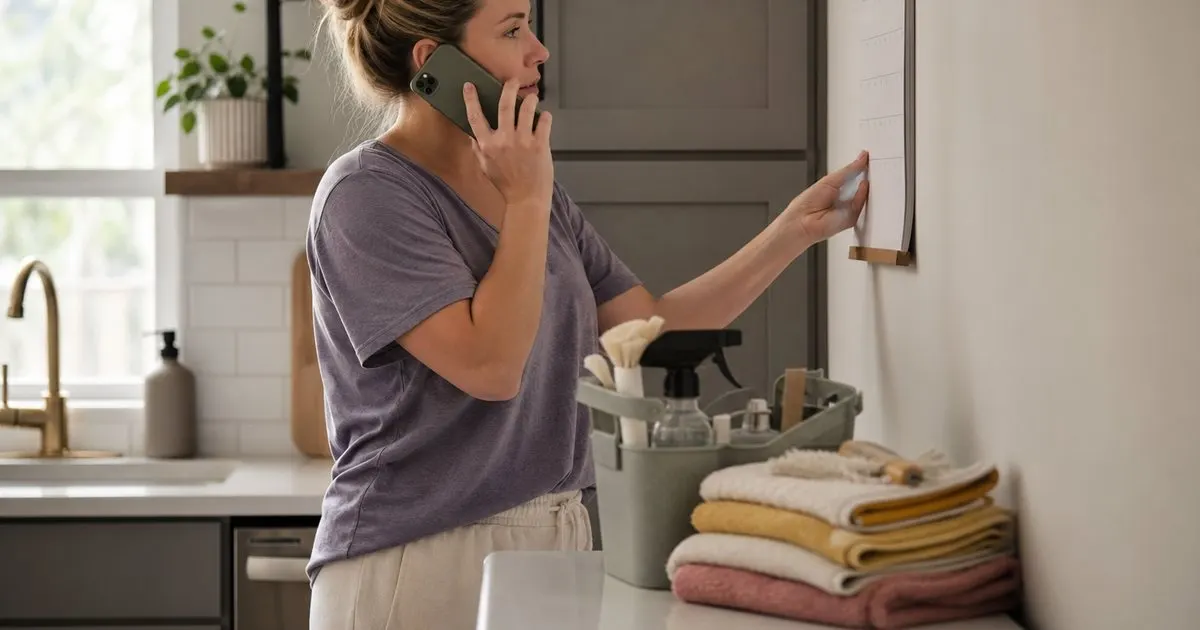
Triage the day before you start dialing
The first ten minutes matter more than the next two hours. Before you call anyone, confirm three facts: the guest checkout time, the next guest's arrival time, and whether that next guest has already been told they can arrive early. That gap is the real deadline, and it decides whether you have a normal problem or a crisis. A 10 a.m. checkout with a 4 p.m. check-in leaves a workable window for almost any unit. A same-day turnover where the outgoing guest asked for late checkout leaves almost nothing. Related: Why a Missed Turnover Is Worse Than a Bad Review
Then check what else is on the calendar. If the cleaner who cancelled had three units that day, you are not covering one turnover, you are rebuilding a route. Write the units down in order of check-in time, not in the order you happened to think of them. The one with the earliest arrival goes first, and anything with a gap of a day or more can wait until tomorrow without any guest noticing. This sounds obvious, but hosts under stress routinely start with the unit closest to their house instead of the one with the tightest deadline. Related: Scaling From One Unit to Many
Keep reading: Why a Missed Turnover Is Worse Than a Bad Review, Building a Cleaning Schedule From Your Bookings, Same Day Turnovers: Managing the Tight Window. See how FlipTidy helps you short-let cleaning turnover scheduler synced to bookings.
Work your bench in the order you set up in advance
The hosts who handle this calmly are the ones who built a bench before they needed it. That typically means one or two backup cleaners who already know the units, have the door codes, and have been paid for at least one shadow turnover so they are not walking in cold. If you have that list, you call it in order and you do not negotiate rates on the phone. If you have not built that list, today is the day you learn why it matters, and you will be calling cleaning companies who have never seen your property. Related: Building a Cleaning Schedule From Your Bookings
When you do have to go outside your bench, be honest about the situation and specific about the scope. Send the checklist, the unit address, the parking situation, and photos of what a finished unit looks like. A cleaner who has never seen the property will do a much better job with a photo of the made bed than with a paragraph describing hospital corners. Offer a rush premium without being asked, because the person saying yes to a same-day job is doing you a favor, and you want them on your bench next time.
Decide early whether you clean it yourself
If you live within reasonable driving distance and the unit is a studio or one bedroom, cleaning it yourself is often the fastest and most reliable option. Decide this within the first half hour, not at 1 p.m. after four unreturned calls. The math is simple: your time to drive there and clean it against the odds that a stranger calls you back and shows up. For a small unit with a standard checklist, a host who knows the property can usually finish in the same window a professional would need. Related: Same Day Turnovers: Managing the Tight Window
The failure mode here is pride. Some hosts refuse to clean because they feel they have graduated past it. That is fine as a goal, but on a cancellation day, the only metric that matters is whether the next guest walks into a clean unit. If you go yourself, bring linens from your backup set, take the same photos your cleaner would take, and run the same checklist. Do not skip steps because you know the unit. Familiarity is exactly what causes missed items.
Communicate with the incoming guest before they ask
If there is any chance the unit will not be ready at the standard check-in time, message the guest before they message you. A short note that the unit is getting extra attention and that check-in may run an hour late, with a coffee shop recommendation nearby, is received completely differently from a locked door and silence. Most guests are flexible when they are told early. Almost no guest is flexible when they are standing in the hallway with their bags.
After the day is over, do the boring part: write down what happened, who you called, who answered, and what it cost. A cleaner cancelling once is normal life. The same cleaner cancelling three times in a season is a pattern, and you need the record to see it. Keep the backup cleaner contact details and access codes in whatever scheduler you use, so the next cancellation is a quick reassignment rather than a phone tree.
- Confirm the real deadline first: the gap between checkout and the next arrival decides how serious the day is.
- A backup bench built in advance, with codes and a shadow turnover already done, is the only thing that makes cancellation day routine.
- Decide within thirty minutes whether you will clean it yourself, and treat that as a legitimate option rather than a failure.
- Message the incoming guest early and record what happened so a one-off does not quietly become a pattern.

Julien Jimenez
Julien Jimenez is an independent software builder based in Paris. He designs, ships, and operates focused SaaS products for small businesses and independent professionals. Read the full author page.
Every checkout cleaned, without the group chat
Short-let cleaning turnover scheduler synced to bookings. FlipTidy is built to help you put this into practice.
Schedule turnoversMore from the FlipTidy blog

Why a Missed Turnover Is Worse Than a Bad Review

Building a Cleaning Schedule From Your Bookings

Same Day Turnovers: Managing the Tight Window
Get the FlipTidy playbook
Practical guides on turnover scheduling, straight to your inbox as we publish them. No spam, unsubscribe any time.