What happens to the turnover schedule when a cleaner finds damage or a broken appliance mid-clean?
A leaking dishwasher or a cracked shower door found at 1 p.m. is a scheduling problem before it is a repair problem. Here is how to triage it without wrecking the rest of the day.
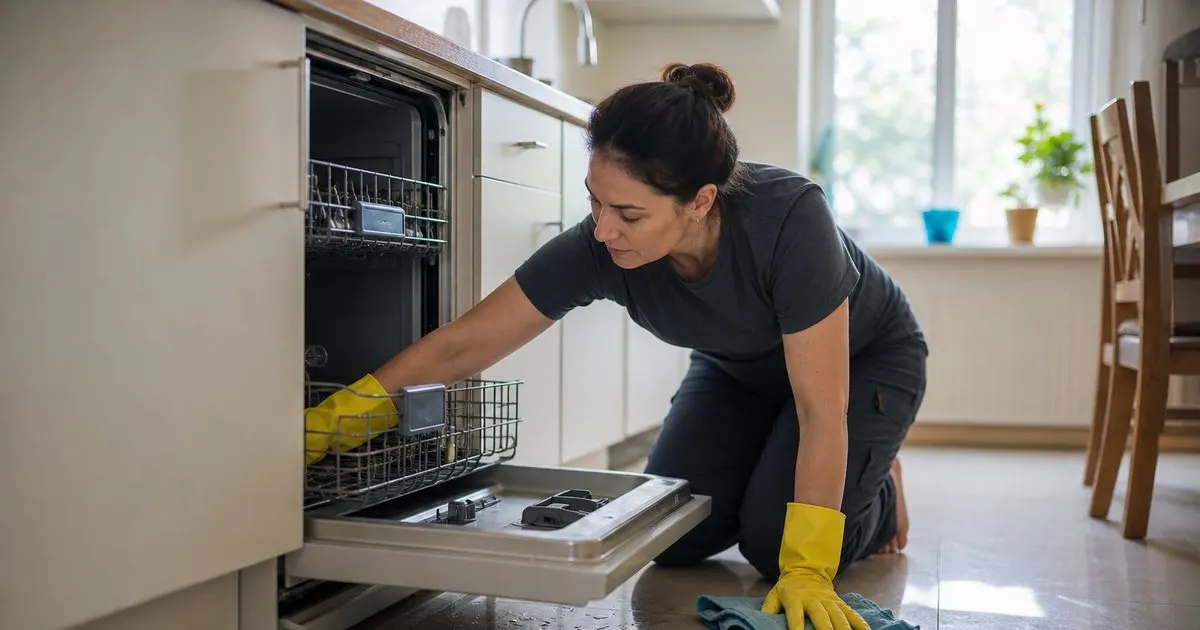
First question: is this a stay stopper or a cosmetic issue?
Every damage report needs to be sorted into one of two buckets within about a minute of arriving in your inbox. A stay stopper is anything that makes the unit unsafe, unusable, or obviously unacceptable for the price the guest paid: no hot water, a toilet that will not flush, a broken lock, a bed frame that has collapsed, an oven that does not heat, a leak that is still spreading. A cosmetic issue is a chipped mug, a scuffed wall, a wobbly chair, a stained pillowcase, a lampshade with a dent. The second category never justifies delaying a check-in. The first category sometimes justifies moving a guest.
Hosts get into trouble by treating everything as equally urgent, which means they spend the tight hours of a turnover on a scratched nightstand while the real problem sits unaddressed. Write the two buckets down and share them with your cleaners in plain language. Give them permission to keep cleaning through cosmetic damage and to stop and call you for anything on the stay stopper list. That single distinction turns a panicky phone call into a two-line message you can act on while you are doing something else. Related: Building a Cleaning Schedule From Your Bookings
Keep reading: Why a Missed Turnover Is Worse Than a Bad Review, Building a Cleaning Schedule From Your Bookings, Same Day Turnovers: Managing the Tight Window. See how FlipTidy helps you short-let cleaning turnover scheduler synced to bookings.
Get proof before anything gets moved or wiped
The moment a cleaner touches a damaged item, the evidence changes. Ask for photos before cleanup begins: a wide shot showing where the item sits in the room, a close shot of the damage itself, and one shot that includes something for scale, like a hand or a standard mug. If there is water involved, a short video is worth more than five photos because it shows whether the leak is active or finished. Timestamped images from the cleaner's phone are usually enough to establish that the damage was present at the end of the previous stay rather than caused during the turnover. Related: Why a Missed Turnover Is Worse Than a Bad Review
This matters for two separate reasons and it is easy to conflate them. One is any claim you might file against the previous guest or through a platform's damage process, where a before-cleanup photo is far stronger than a description written after the fact. The other is your relationship with the cleaner. When damage keeps appearing and nobody documents it, suspicion creeps in on both sides. A standing rule that everything gets photographed protects the cleaner as much as it protects you, and it removes the awkward conversation about who broke what.
Choose repair, swap, or disclose, and choose within the hour
You usually have three realistic moves and a shrinking window in which to pick one. Repair means a handyman or appliance tech gets there before check-in, which is only worth attempting if you already have someone who answers the phone and can quote a same-day slot. Swap means replacing the item rather than fixing it, which is why hosts who keep a spare shower curtain rod, a spare kettle, a spare set of bed slats, and a spare lamp in a closet recover from these days so much faster than hosts who do not. Disclose means the unit goes live as is, with a short honest message to the arriving guest and, where the loss of function is real, a partial refund or a credit offered before they discover it themselves. Related: Same Day Turnovers: Managing the Tight Window
The wrong move is silence. A guest who walks into a unit and finds the dishwasher taped shut with no warning writes a very different review from a guest who received a message two hours earlier saying the dishwasher is out of service, a technician is booked for the following morning, and here is something back for the inconvenience. Decide quickly, tell the guest yourself, and be specific about what does and does not work. Vagueness reads as a cover-up even when it is only hesitation.
Protect the rest of the day, then write the protocol down
A damage discovery costs time, and that time comes out of somewhere. If the cleaner has two more units after this one, do not let them absorb the delay silently. Reassign the remaining stops, push the least urgent unit to the evening or the next morning, or send a second cleaner to the tail end of the route. Pay for the extra time without being asked, because a cleaner who learns that reporting damage costs them their own money will quietly stop reporting damage. That is the most expensive outcome available, and it takes months to discover.
Once the day is saved, spend twenty minutes turning it into a rule. A workable damage protocol fits on one page: the two buckets, the photo requirements, who the cleaner calls and in what order, the spares kept on site and where they live, the two or three trades you would actually call for a same-day fix, and the standing decision about who messages the guest. Attach it to the turnover checklist so it is in front of the cleaner rather than in a folder somewhere. The point is not to prevent damage, which you cannot, but to make sure the second occurrence costs a fraction of what the first one did. Related: Checklists That Keep Turnovers Consistent
- Sort every report into stay stopper or cosmetic before doing anything else, and let cleaners keep working through cosmetic damage.
- Require photos and short videos before cleanup starts, which protects both your claim and your relationship with the cleaner.
- Pick repair, swap, or honest disclosure within the hour, and always tell the arriving guest yourself rather than letting them find it.
- Pay for the lost time and reshuffle the rest of the route, or your cleaners will learn to stop reporting problems.

Julien Jimenez
Julien Jimenez is an independent software builder based in Paris. He designs, ships, and operates focused SaaS products for small businesses and independent professionals. Read the full author page.
Every checkout cleaned, without the group chat
Short-let cleaning turnover scheduler synced to bookings. FlipTidy is built to help you put this into practice.
Schedule turnoversMore from the FlipTidy blog

Why a Missed Turnover Is Worse Than a Bad Review

Building a Cleaning Schedule From Your Bookings

Same Day Turnovers: Managing the Tight Window
Get the FlipTidy playbook
Practical guides on turnover scheduling, straight to your inbox as we publish them. No spam, unsubscribe any time.